How to measure your windows and doors yourself before a quote
One of the most common questions we get is a short one: "how much does it cost to replace six windows?". The trouble is that there's no honest answer to a question put like that — it's a bit like asking the price of a car without giving the make and model. A window's price depends on a few specific things, and you can work out most of them yourself in a quarter of an hour. In this guide we show you how to prepare for a quote so that you get a sensible offer straight away, rather than another round of questions.
Why it's worth measuring your windows yourself
When you send an enquiry with ready dimensions and a sketch, you can cut the whole route to a quote by several days. Instead of exchanging a dozen messages like "what kind of window is it?" or "which way does it open?", you get a firm price to start with. It doesn't have to be measured to the millimetre — at the quote stage the initial dimensions are what count. We take the precise production measurement ourselves later.
What to prepare for a window quote
To prepare an accurate window quote, we need a complete set of basic information. It's worth writing it down for each window separately:
Initial dimensions — the width and height of the opening, measured from wall to wall. Give them in millimetres or centimetres, just be consistent.
A window sketch — a simple drawing: how many sashes, which ones open and which are fixed.
The opening direction — e.g. side-hung, tilt-and-turn, left or right.
Colour — white, anthracite, a wood-effect finish, on both sides or just one.
The type of glazing — double- or triple-glazed, frosted, safety glass, and so on.
Installation — whether you need a quote with fitting, or just the window itself.
Location — the town or postcode, as it affects the cost of travel and fitting.
How to measure a window opening correctly
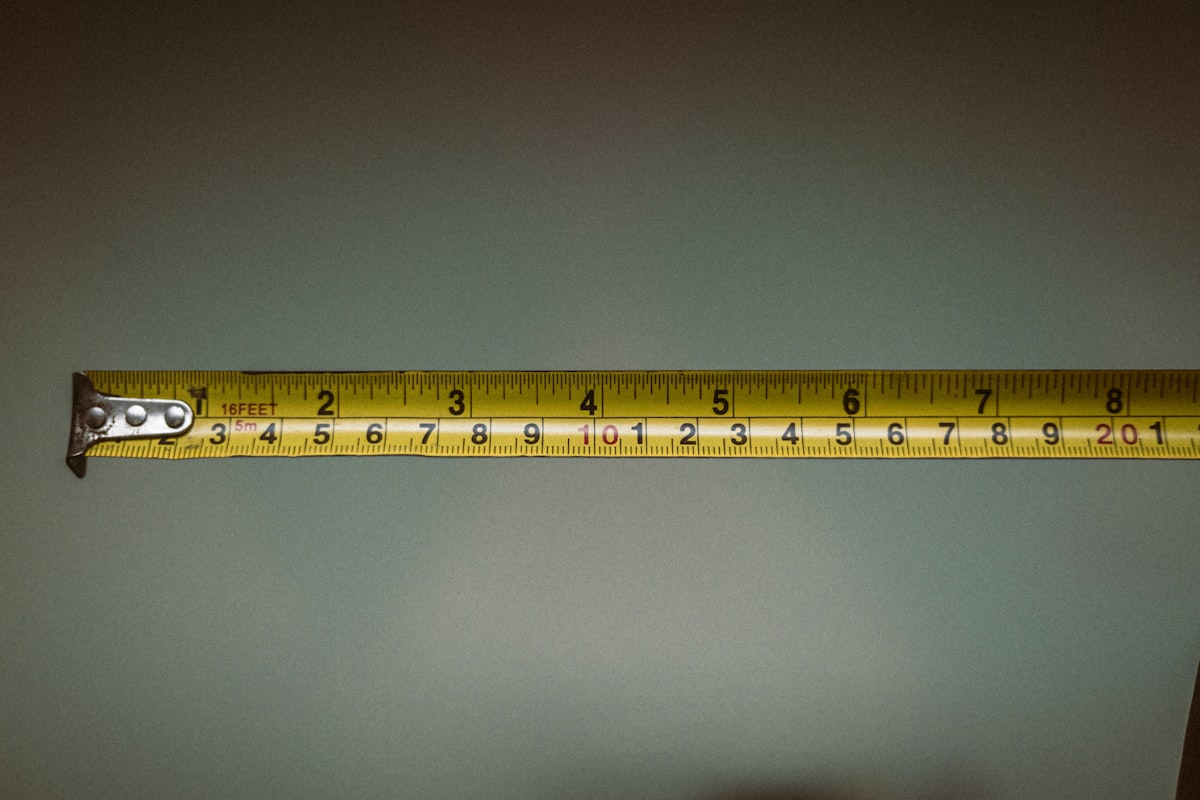
Measure the width of the opening in three places — at the top, in the middle and at the bottom — and note the smallest result. Do the same for the height: on the left, in the middle and on the right. Openings are rarely perfectly rectangular, and when ordering a window it's always better for it to be slightly too small than too big — a few millimetres of play is filled with installation foam. Remember to measure the opening in the masonry itself, not the old window and its frame.
Front doors — what to watch out for
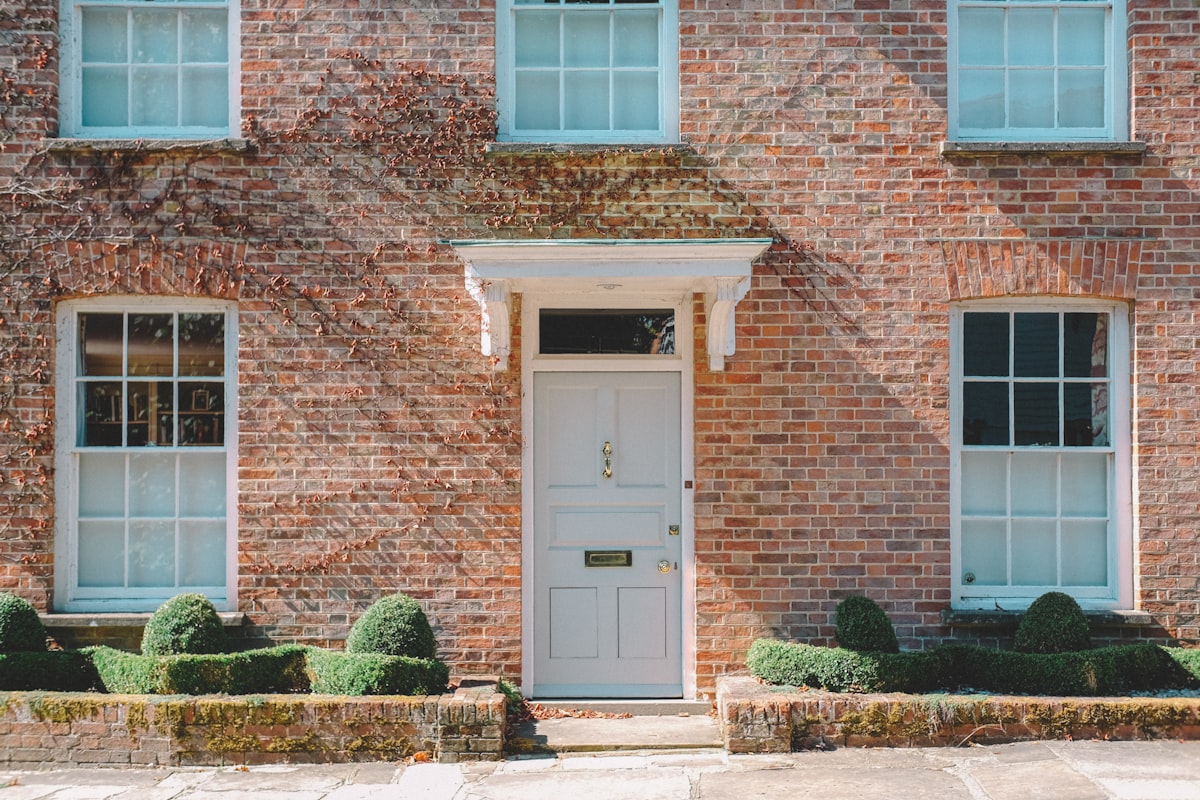
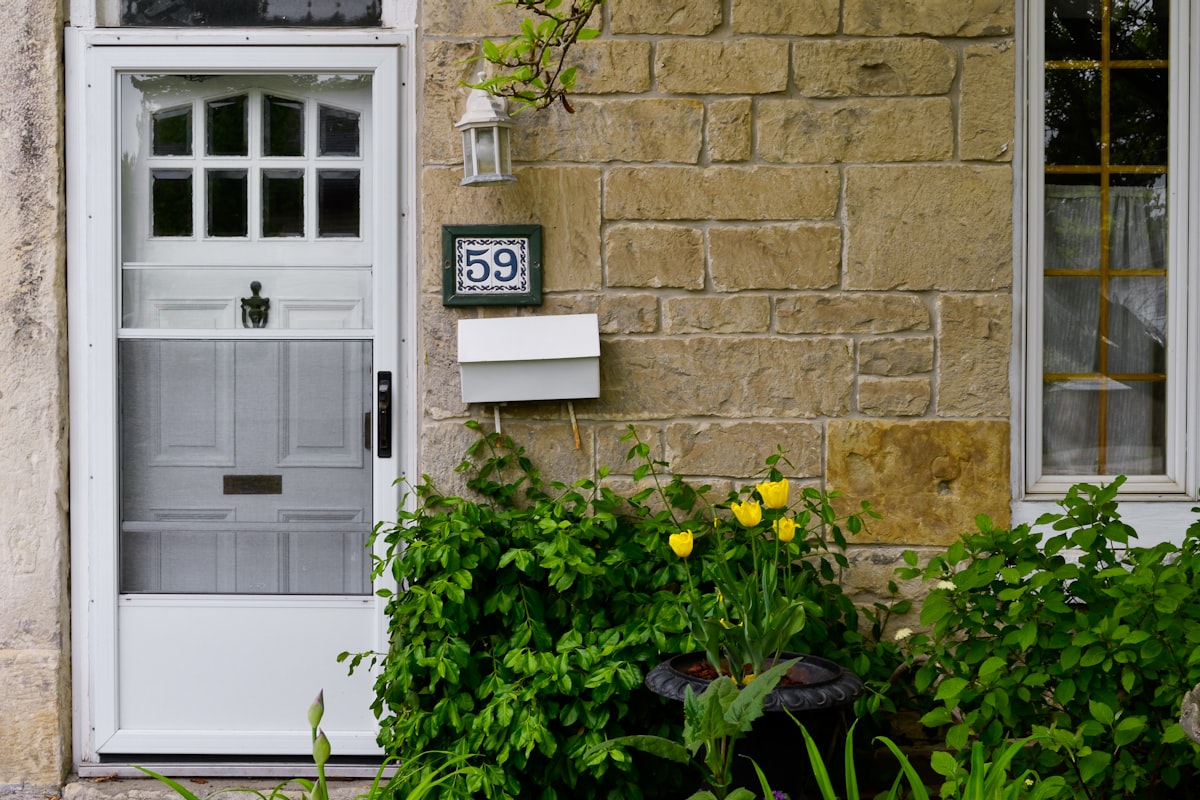
A common misunderstanding with doors is side panels and top lights. A customer writes that they're after a front door, gets a quote for the door alone, and then it turns out there are two extra panels at the sides and a third above the door. That's a completely different construction and a different price. So with doors, state whether it's just the door or a set with side lights. Measure the full width of the opening including the side panels, and the height including the top light.
Frequently asked questions
Does the measurement have to be perfectly accurate?
Not at the quote stage. Initial dimensions accurate to the centimetre are enough. We take the precise production measurement ourselves before ordering.
What should I measure the window opening with?
An ordinary retractable tape measure. Measure in three places horizontally and vertically, noting the smallest result.
What if I don't know which opening direction to choose?
Just say so in your enquiry — we'll advise. We most often recommend inward-opening windows, which we cover in a separate article.
Got your dimensions and sketches ready? Send them to us with your location and we'll prepare a quote for windows and doors with installation across the UK.